Articles For The Christian Reader
Serving the Body of Christ…
The Catholic Church And The ‘Eucharist’
What Was Jesus Doing When He Took The Bread and Wine?
When Jesus said, “do this in remembrance of me,” he did not have in mind that the Church of Rome would alone be authorized to perform the “trans-substantiation.” Jesus was not celebrating a Mass, he was celebrating PASSOVER, a feast that GOD established.
The feast of Passover celebrated God’s deliverance of his people from bondage in Egypt. In that story, the Jews had to kill a lamb for each family and put the blood of the Lamb on the doorpost of each home, and when the judgment of death came, every house having the blood of the Lamb on it was “passed over.” In that great deliverance, they were led out to freedom in haste, with unleavened bread. Since that time the Jews celebrate every year the great deliverance of the “Pass Over” as God initiated it, with wine and with unleavened bread.
The Night Before He Died…
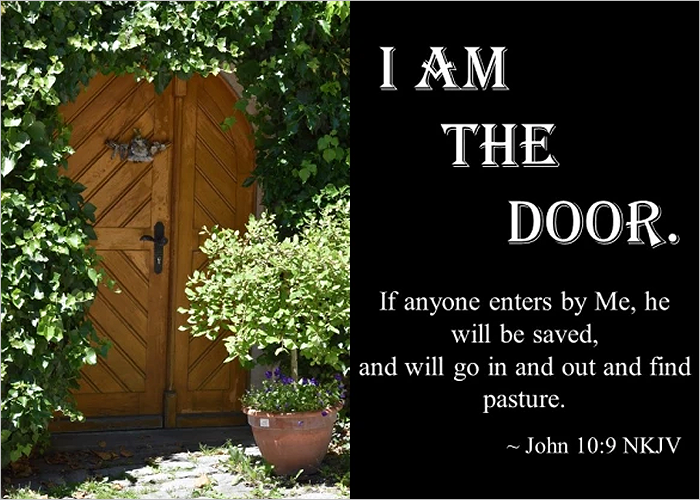
Jesus died on Passover, becoming the Passover Lamb. It was at this very Passover celebration the night before his death that Jesus showed the disciples that Passover was all about HIM, as he told them that the bread they used in celebration signified his body which would be broken and the blood represented his blood that would be shed the very next day. When he said, “this is my body,” he did not then eat himself, he did not mean it literally any more than he meant it literally when he said, “I am the door.” He did not turn into a door. No, he was explaining the significance of the great feast of Passover, how it was a picture of HIM who would become that Lamb on the next day. When he told us to do this in memory of him, he was saying that when you celebrate Passover, now that you know what it means, “do THIS in memory of me.” He did not mean it to be restricted to the day of Passover; he said “whenever you do this…” Since then, believers “remember his death” until he comes.”
In the 4th century, the Church of Rome abolished the God-ordained feast of Passover and replaced it with “Easter,” the feast day of the pagan goddess Ishtar. Until then there had been no date upon which believers celebrated the Resurrection, so Constantine established that it would be celebrated on the feast of Ishtar, or “Astarte,” because there were celebrations being held at that time of year to the goddess, so he thought it appropriate to “Christianize” that celebration. He also abolished all the other God-ordained feasts as well, and destroyed every remembrance of Judaism. Why the Resurrection was not celebrated three days and three nights after Passover, was not even considered.
What Did Jesus Mean When He Said “This Is My Body?”
“Most assuredly, I say to you, unless you eat the flesh of the Son of Man and drink his blood, you have no life in you.”
John 6:53
Did Jesus mean you have to physically eat his physical body?
No:
“It is the spirit that gives life, the flesh profits nothing:
the words that I speak unto you, they are spirit, and they are life.”
John 6:63
And Jesus said to them, “I am the bread of life. He who comes to me shall never hunger, and he who believes in me shall never thirst.
John 6:35
If one takes that literally, then that person should not ever get hungry or thirsty again. Obviously he was not speaking of eating him literally. No, it is his Word that gives life and sustains, the flesh “profits nothing.”
It’s crucial to be able to separate the physical from the spiritual because if not, a whole false doctrine arises. Jesus said “This is my body.” He also said “I am the door.” If you believe the bread is his physical body, then you have to believe that he also turned into a door.
MORE:
Catholicism
Recent Posts:


 Articles For The Christian Reader